Category

Recent News

How Our Sustainability Commitments Are Tracking

By Recent News

At 4 Elements Consulting, sustainability isn’t just something we recommend to our clients, it’s something we’re committed to putting into practice within our own business.

In 2025, we developed our Sustainability Strategy, setting out four key objectives to guide how we operate across our offices in Queensland and the Northern Territory. While our environmental footprint is relatively small as a team of fewer than 20 people working in environmental services, we believe that every organisation has a responsibility to continually look for ways to reduce its impacts and improve its sustainability.

So, how are we tracking?

Throughout the 2025–2026 financial year, we made progress across all four objectives, from reducing our emissions and diverting waste from landfill to strengthening our approach to Indigenous engagement.

1. Working towards net-zero emissions

Our first objective is ambitious: to operate as a net-zero emitter by 2032.

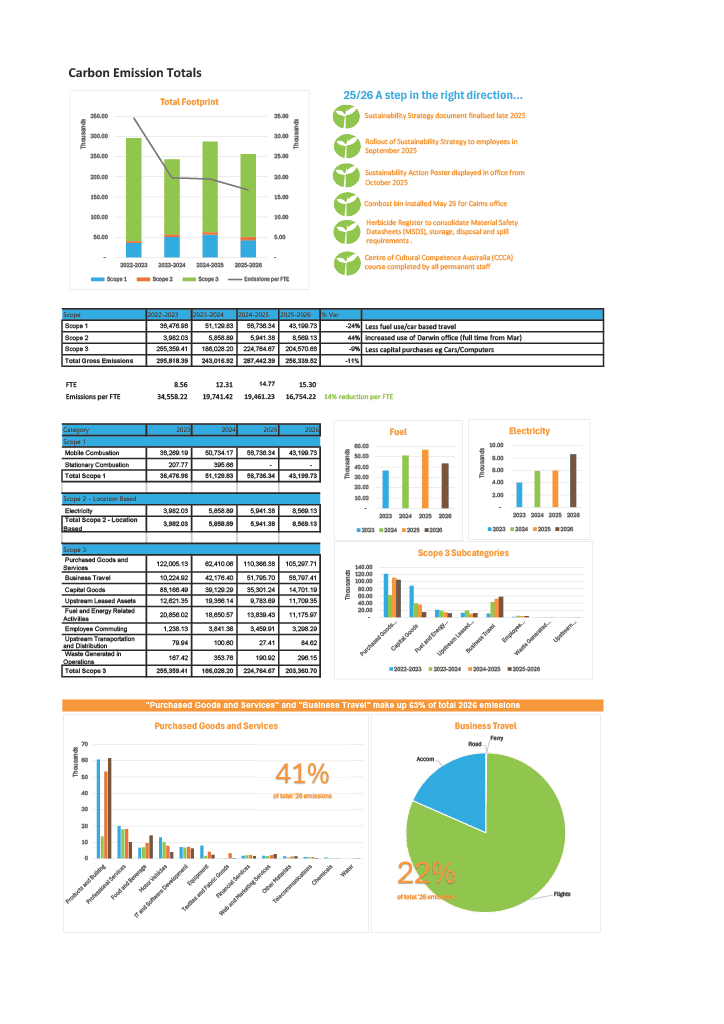
During the 2025–2026 financial year, we reduced our Scope 1, 2 and 3 greenhouse gas emissions, largely through reductions in capital purchases and fuel use.

Of the emissions that we were unable to avoid, totalling approximately 256 tonnes of CO₂-e, we are developing an agreement with CO₂ Australia to purchase Australian Carbon Credit Units (ACCUs) equivalent to our emissions.

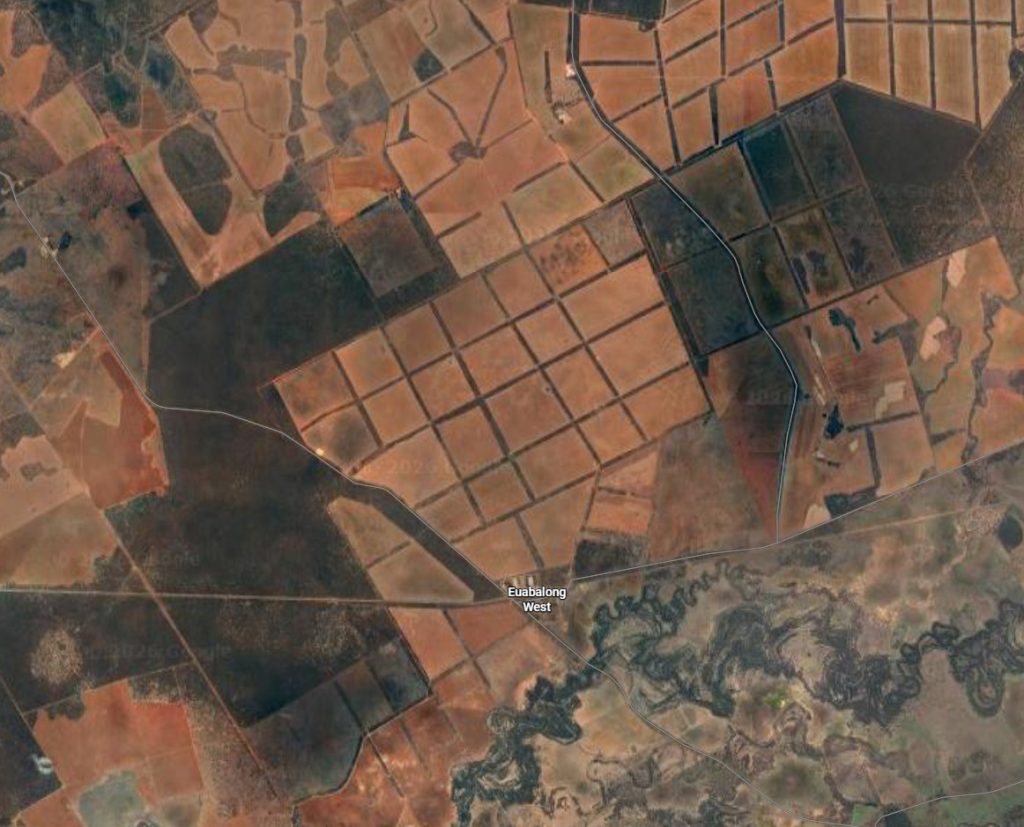
These ACCUs will directly support Australian carbon sequestration projects, including reforestation at the Barooga Karrai property near Euabalong in central-western New South Wales.

Our aim is that, by the end of 2026, these actions will allow 4 Elements to operate functionally as a carbon-neutral business, while continuing our longer-term transition towards net zero.

We are also an active member of the United Nations Global Compact, through which we continue to report on our emissions and other sustainability commitments as part of our annual returns.
2. Reducing our reliance on virgin materials

Sustainability isn’t only about carbon emissions. The materials we purchase and the resources we consume also contribute to our environmental footprint.

Our second objective is to minimise our purchase of virgin materials wherever possible, with a long-term goal of reducing virgin material purchases to less than 15%.

Achieving this target will require ongoing research into alternative products and suppliers, but we have already started making changes to our everyday purchasing practices.

For example, where practical, our Brisbane office purchases second-hand office goods through platforms such as Facebook Marketplace, rather than buying new.

It may seem like a small change, but reducing demand for new products is one way we can incorporate circular economy principles into our day-to-day operations.

3. Keeping waste out of landfill

Our third objective is to reuse, repurpose and recycle significantly more than we send to landfill, while preventing hazardous waste from entering the environment.

Our long-term targets are to reduce landfill waste to less than 5% of our total waste output and achieve zero harmful waste released to the environment.

We’re not at our target yet — but measuring our waste gives us a clear picture of where improvements are needed.


What did our offices produce in 2025–2026?

Cairns Office:

  • Approximately 60 kg of landfill waste, representing 52% of total waste.
  • Approximately 56 kg of recyclable waste, representing 48% of total waste, which was sent to Council recycling programs.
  • A compost bin was installed in May 2025 and received 6.2 kg of organic waste in its first two months of operation.

Brisbane Office:

  • Approximately 8.6 kg of landfill waste, representing 47% of total waste.
  • Approximately 9.7 kg of recyclable waste, representing 53% of total waste, which was sent to Council recycling programs.

Darwin Office:

  • Our new Darwin office has recently established a composting system and has begun collecting data on landfill and compost outputs.

While our current recycling rates are still short of our long-term target, the data provides an important baseline for tracking improvement. In the meantime, we’re taking additional steps to reduce our waste impacts through composting, improved recycling and better pollution management.

We have also developed a Herbicide Register consolidating Material Safety Data Sheets (MSDS), storage requirements, disposal procedures and spill response information for potentially hazardous products used in our services.
4. Strengthening Indigenous engagement

Environmental sustainability also means recognising the importance of people, culture and Country.

Our fourth objective is to proactively engage with Indigenous values, communities and individuals through our work and outputs.

Our previous project-based arrangements with 4DBaru, an Indigenous-owned social enterprise based in Nhulunbuy, Northern Territory, concluded in 2026 following completion of the relevant contracts.

Rather than letting this be the end of our engagement, we are now investigating new opportunities to partner with Indigenous-owned social enterprises and NGOs in the education and environmental sectors, with a particular focus on northern Australia.

We also incorporate Indigenous language, customary procedures and land-access protocols into our everyday operations and written and verbal outputs wherever accurate and appropriate information is available.

As another step towards building our cultural capability, all permanent 4 Elements staff have completed the Centre of Cultural Competence Australia (CCCA) online course as of 2026.

Measuring progress and continuing to improve

Sustainability is a journey, not a box to tick.

Our Sustainability Strategy sets out our objectives and the actions required to achieve them, while systems such as Sumday’s carbon accounting platform and GreenKPI sustainability monitoring software have been incorporated into our everyday business operations to help us measure our progress.

Importantly, we’re not claiming to have everything figured out. Some of our targets are long-term, and there is still work to do — particularly around reducing landfill and virgin material use.

What matters is that we are measuring where we are, identifying where we can improve, and taking action.

As an environmental consultancy, we believe it is important to practise what we preach. By embedding sustainability into our own operations, we can continue learning, adapting and improving the way we do business.


Our commitment is simple: measure it, improve it, and keep moving forward.

Because protecting the natural world starts with the way we operate ourselves.

Facebook     Instagram     YouTube     LinkedIn

Inspired to help increase your business’ sustainability outlook?

Find out how we can help you by visiting our Sustainability Planning services page.

Contact us to learn how we can support your sustainability objectives.

Call 1300 432 368 to speak with our team.

Or fill out the contact form & we will be in touch.

Start the Conversation

"*" indicates required fields

11 Incredible Lizards of Queensland

By Recent News

Australia is home to an incredible diversity of lizards, and Queensland is no exception. From tropical rainforests and rocky uplands to dry woodlands and sandy inland habitats, Queensland’s varied landscapes support an extraordinary range of reptiles. To celebrate World Lizard Day, we’re showcasing 11 fascinating lizards photographed across Queensland.

1. Ingram’s Ctenotus (Ctenotus ingrami)

Found across dry woodlands of inland Queensland and New South Wales, Ingram’s Ctenotus is a member of the incredibly diverse Ctenotus genus. With more than 100 recognised species, Ctenotus is one of Australia’s most species-rich lizard genera.

2. Brigalow Nobbi Dragon (Diphoriphora phaeospinosa)

This Queensland endemic has a highly restricted distribution in central Queensland. The Brigalow Nobbi Dragon is associated with forests, woodlands and heaths growing on sandstone escarpments and plateaux.

3. Broad-banded Sand-swimmer (Eremiascincus richardsonii)

This fascinating skink is adapted to life in a variety of environments, from tropical forests with abundant leaf litter to sandy desert landscapes. Broad-banded Sand-swimmers are generally crepuscular to nocturnal, spending the hotter parts of the day sheltering before emerging to forage.

4. Eastern Robust Slider (Lerista punctatovittata)

The Lerista genus is one of Australia’s most diverse lizard groups, with nearly 100 species. These fossorial skinks are well adapted to “swimming” through sandy substrates and dense leaf litter, spending much of their lives hidden beneath the surface.

5. Boyd’s Forest Dragon (Lophosaurus boydii)

A Queensland icon, Boyd’s Forest Dragon is one of only two species of forest dragon found in Australia. Endemic to the Wet Tropics, these secretive dragons can be surprisingly difficult to spot, often remaining motionless while clinging to tree trunks in their rainforest homes.

6. Gilbert Ground Gecko (Lucasium iris)

Gilbert Ground Gecko is Queensland’s only endemic ground gecko. It has a highly restricted distribution in the Einasleigh Uplands, where it occurs in dry, stony Acacia woodlands, often with Spinifex forming part of the ground layer.

7. Spiny Knob-tailed Gecko (Nephrurus asper)

With their chunky bodies and distinctive reduced tails, knob-tailed geckos are some of Australia’s most charismatic reptiles. Spiny Knob-tailed Geckos are adapted to dry inland environments, where they shelter in burrows during the day and emerge at night to hunt arthropods and even small geckos.

8. Silver-eared Velvet Gecko (Oedura argentea)

Velvet Geckos are a distinctly Australian group, with many species associated with rocky habitats and dry woodlands. They get their name from the characteristically soft, smooth and velvety feel of their skin, which differs from the rougher, more pronounced scales found on many other lizard species. The Silver-eared Velvet Gecko is one of Queensland’s distinctive velvet geckos and forms part of the state’s impressive reptile diversity.

9. Elegant Velvet Gecko (Oedura elegans)

Another member of Queensland’s diverse velvet gecko fauna, the Elegant Velvet Gecko is associated with rocky habitats and dry woodland environments.

10. Arcadia Velvet Gecko (Oedura lineata)

Another highly range-restricted Queensland species, the Arcadia Velvet Gecko occurs within a small area of the central Queensland Brigalow Belt. During the day, it can shelter beneath the bark of Brigalow (Acacia harpophylla) trees before emerging at night.

11. Golden-tailed Gecko (Strophurus taenicauda)

One of Australia’s most striking geckos, the Golden-tailed Gecko certainly lives up to its name. Its vivid orange eyes and golden-orange tail contrast dramatically with its boldly spotted body. This Brigalow Belt specialist favours dry woodland habitats.

A glimpse into Queensland’s reptile diversity

These 11 species represent only a tiny fraction of Queensland’s remarkable lizard diversity. From rainforest specialists like Boyd’s Forest Dragon to fossorial skinks and dry-country geckos, each species is shaped by the environment in which it lives.

They are also a reminder of why understanding and protecting habitat is so important. The survival of Queensland’s reptiles depends not only on protecting individual species, but also on maintaining the forests, woodlands, rocky habitats, leaf litter, fallen timber and other habitat features they rely on.

So next time you’re exploring Queensland’s landscapes, keep an eye out. You never know what might be hiding beneath a log, in the leaf litter or clinging to a tree trunk.

Ready to strengthen the environmental resilience of your project? Contact us to ensure your work supports the conservation of Australia’s remarkable native species.

Get in touch

Conservation and Community: Surveying the Bats of Nguna Island, Vanuatu

By Recent News

Following the 20th International Bat Research Conference in Cairns, our Ecologist, Jas, had the opportunity to travel to Vanuatu, to participate in a collaborative field expedition documenting the island’s flying foxes and microbat biodiversity. The trip brought together researchers, consultants, members of the Pacific Bat Conservation Network (PacBat), the Vanuatu Department of Climate Change, and, most importantly, the rangers and community of Mere-Sauwia, located on the east coast of Nguna.

Field work set out to establish baseline information about the local bat fauna by collaborating with members of the Mere Sauwia community, who have managed the adjoining Mere Sauwia Conservation Area since 1997. Generous local residents opened their homes to host us and share their cultural knowledge of bats, as well as known flyways and roosts known from generations of customary ownership of the area.

The following is Jas’ account of the experience.

A warm welcome to Nguna

The team met in Port Vila, and after gathering supplies we travelled through the villages of Saama and Emua, then crossed by boat to Nguna Island. From the shoreline we travelled to Mere-Sauwia village, where we were formally welcomed by community leader Taman Onesemas who manages conservation in Mere Sauwia alongside local rangers. Taman spoke on behalf of the elders, youth and families to grant us permission to stay and conduct research within their customary lands. Our hosts, Nora and her mother Lesofa, welcomed us with hugs and smiles and immediately made us feel at home. Each evening, we were treated to the community’s hospitality with shared meals, music and dancing – and a generous amount of kava. During the day, the local rangers led us to survey sites across the island, where we installed acoustic equipment and carried out roost surveys for the Vanuatu flying fox (Pteropus anetianus). As we walked, they shared their knowledge of plants with cultural significance, including the island’s cycads, known locally as Namele. We also had a constant companion in a friendly village dog, Smokey, who appointed himself an honorary member of the field team.

Cycas seemannii (Namele). A cycad that holds cultural significance in Vanuatu.

Cycas seemannii (Namele): a cycad that holds cultural significance in Vanuatu.

Smokey: team leader and supervisor.

Surveying Nguna’s bats

Our primary goal was to establish baseline information on both flying foxes and microbat diversity on Nguna Island. Roost counts of individuals, acoustic recorders and mist netting were the main tools used to take a sample of the species diversity. Rangers identified likely commuting routes leading towards water sources, where mist nets were positioned across narrow flyways to increase capture success.  As they flew into the fine nets, each bat was gently removed and placed in a calico bag that had been turned inside out to prevent tiny claws catching on the stitching. Bats were identified and recorded on release to build a reference call library for the area. Surveys were brief but helped to begin building a picture of the diversity of Nguna’s microbat fauna. Several pacific endemic species were recorded, including the Fawn Leaf-nosed Bat (Hipposideros cervinus) (a species also found in Far North Queensland!).

Our bat processing station on banana leaves. Morphological measurements of body weight, forearm length and head body length were used to identify bats to species. Sex, maturity through visible bone density and ectoparasite data were also captured.

A male Hipposideros cervinus, captured at a waterhole in closed forest, east of the village.

Culture and conservation

The field surveys provided valuable baseline data on bat populations on Nguna but also highlighted the importance of working in partnership with the communities whose livelihoods rely on, and whose leaders manage these landscapes.

The project was made possible through the knowledge, leadership and support of the Mere-Sauwia community. Rangers identified suitable survey locations, while community leaders granted permission to work on customary lands. Families welcomed us into their homes, and survey methods were shared with rangers to support ongoing monitoring and build local capacity. Conversations with community members, including traditional knowledge and stories of the local wildlife gave our ecological observations a deeper cultural context.

Community-based conservation recognises that protecting biodiversity and supporting the wellbeing of people who live within conservation areas are not competing goals. When projects build local capacity, respect Indigenous and customary knowledge, collaboration can be fostered between the communities who depend on these landscapes and researchers that strengthen the abilities of both to protect biodiversity.

A Traditional Story from Nguna

Community leader, Paul, shared with us the following story that was told to him by his grandfather on how the Bat and the Parrot became enemies:

One day the Bat and the Parrot decided to paint one another. The Bat went first. With great care he covered the Parrot in bright colours—reds, blues, greens and golds—until every feather shone. When the Parrot looked at his reflection, he was so pleased with how he looked.

Then it was the Parrot’s turn. By now, only two colours of paint were left: black and yellow. The Parrot painted the Bat almost entirely black, leaving only a narrow yellow band around his neck. When he had finished, he said, “Wait until I have gone, then you can look at yourself.”

As soon as the Parrot was gone, the Bat looked into the mirror. He stared at his reflection and felt cheated. Compared with the Parrot’s brilliant feathers, his own colours seemed dull and careless.

From that day on, the Bat and the Parrot became enemies, and they have never trusted one another since.

Thank you to the Mere-Sauwia community

Tankyu tumas to Martika, Lindy, Nelyne, Stenneth, Nora, Paul, Taman and everyone in the Mere Sauwia community for welcoming us with so much generosity.

Supporting future research

The Mere-Sauwia Conservation Area welcomes researchers who are committed to working with the community and its customary landowners. Get in contact to discuss research opportunities or seek permission to undertake fieldwork.


Why Fauna Spotter Catchers Are Essential for Safe and Compliant Land Clearing

By Recent News

Across Australia, land clearing activities for infrastructure, mining, renewable energy, urban development and agriculture can have significant impacts on native wildlife if not managed correctly. From tree-dwelling mammals and nesting birds to reptiles sheltering beneath logs and aquatic fauna inhabiting waterways, many species are vulnerable during vegetation clearing and construction works.

This is where fauna spotter catchers play a critical role.

Fauna spotter catchers help protect native wildlife during clearing activities while ensuring projects remain compliant with environmental legislation and approval conditions. Their work not only supports biodiversity conservation but also helps minimise project delays, reduce risk and improve environmental outcomes on site.

What Is a Fauna Spotter Catcher?

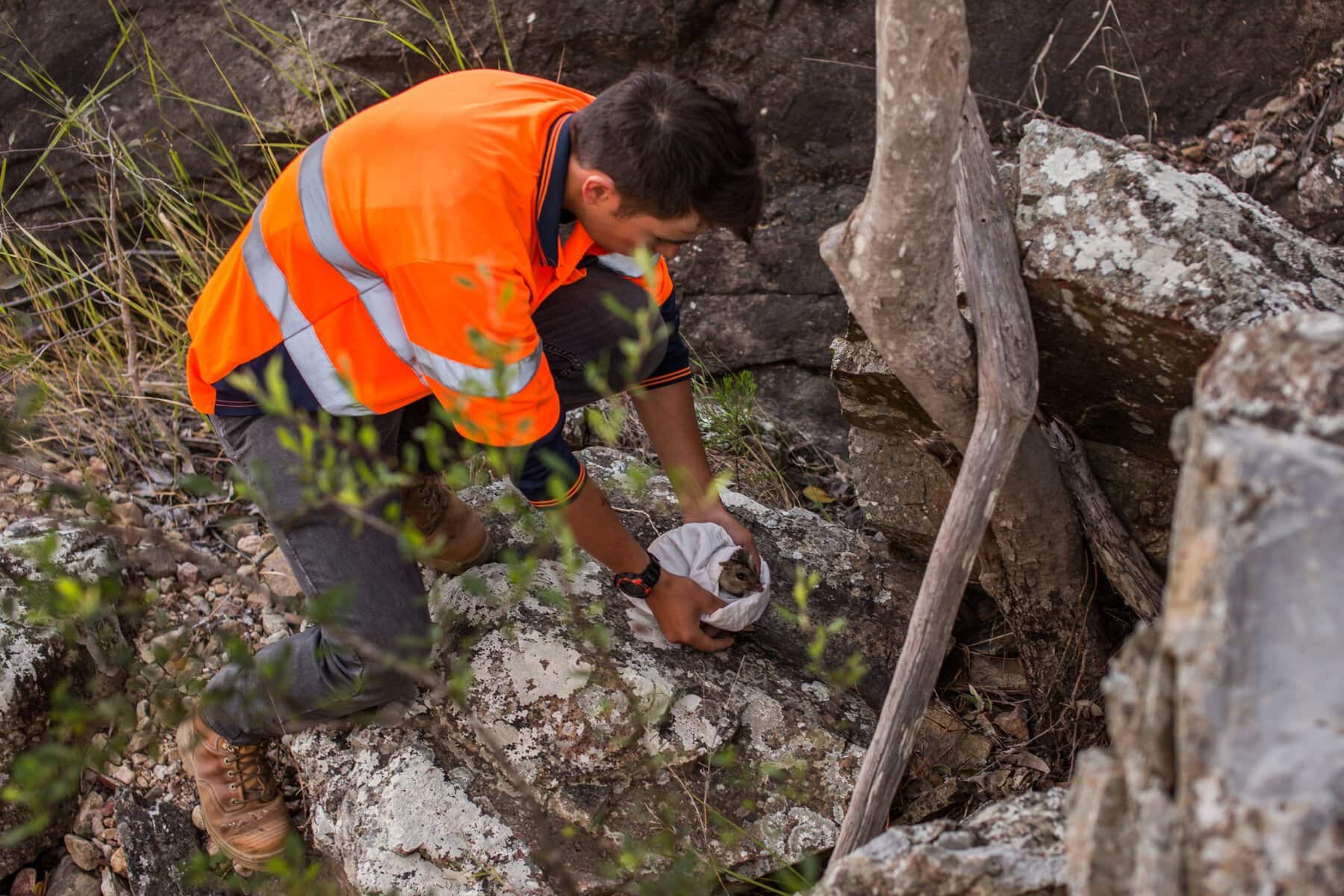
A fauna spotter catcher is a licensed environmental professional responsible for identifying, rescuing, handling and relocating wildlife that may be impacted by vegetation clearing or construction works.

Fauna spotter catchers work closely alongside machine operators, arborists, project managers and environmental teams to safely manage wildlife interactions before, during and after clearing activities.

Their role often includes:

  • Conducting pre-clearance assessments
  • Identifying habitat features such as tree hollows, nests and burrows
  • Monitoring vegetation clearing activities
  • Capturing and relocating displaced fauna
  • Managing injured wildlife
  • Recording fauna observations and relocation data
  • Preparing compliance reports for government agencies

In many cases, fauna spotter catchers are also required under environmental approval conditions and state legislation.

Why Are Fauna Spotter Catchers Required?

In Queensland, fauna spotter catcher services are commonly required under the Nature Conservation Act 1992 and are often included as conditions of development approvals and environmental management plans.

The purpose of these requirements is to minimise harm to native wildlife during activities that disturb vegetation or habitat.

Without appropriate fauna management, clearing activities can result in:

  • Injury or mortality of native fauna
  • Destruction of active nests or breeding habitat
  • Delays to project works
  • Non-compliance with approval conditions
  • Reputational and financial risks for project proponents

By engaging qualified fauna spotter catchers early in the planning process, projects can proactively manage environmental risks and maintain compliance throughout construction activities.

The Fauna Spotter Catcher Process

Pre-clearance Assessments

Before any vegetation clearing begins, a licensed fauna spotter catcher undertakes a detailed inspection of the site to identify habitat features and assess the likelihood of wildlife presence.

This may include locating:

  • Tree hollows
  • Active nests
  • Roosting habitat
  • Burrows
  • Loose bark habitat
  • Epiphytes
  • Breeding areas
  • Aquatic habitat features

Habitat features are often flagged and mapped so clearing crews are aware of sensitive areas before works commence.

A pre-clearance report may then be prepared outlining ecological risks, management recommendations and fauna protection measures required during clearing.

Monitoring During Clearing Works

During clearing activities, fauna spotter catchers continuously monitor operations to identify and safely manage displaced wildlife.

This includes:

  • Observing clearing activities from a safe position
  • Communicating directly with machinery operators
  • Capturing and relocating fauna encountered during works
  • Managing injured wildlife where required
  • Ensuring environmental procedures are followed on site

This real-time monitoring is essential for reducing wildlife impacts and ensuring clearing activities can continue safely and efficiently.

Fauna Relocation and Reporting

Captured fauna are relocated into suitable nearby habitat based on the ecology and habitat requirements of each species.

Following completion of works, fauna data and relocation records are compiled into post-clearance reports that may be submitted to relevant government agencies to satisfy approval conditions.

These reports typically include:

  • Species records
  • Relocation details
  • GPS coordinates
  • Habitat observations
  • Incident reporting
  • Management outcomes

Supporting a Wide Range of Industries

Fauna spotter catcher services are commonly required across multiple industries and project types, including:

  • Renewable energy developments
  • Infrastructure projects
  • Mining and resource extraction
  • Residential and industrial developments
  • Road upgrades and transport corridors
  • General vegetation clearing
  • Quarry operations
  • Aquatic dewatering activities

Many projects also require additional ecological services such as species management plans, environmental management plans, threatened species surveys and ongoing environmental monitoring.

The Importance of Experience in the Field

Effective fauna spotter catching requires more than simply handling wildlife. It requires strong ecological knowledge, field experience, understanding of environmental legislation and the ability to work safely within active construction environments.

Experienced fauna spotter catchers understand:

  • Species-specific behaviour and habitat use
  • Safe and humane wildlife handling techniques
  • Construction site safety protocols
  • Environmental approval requirements
  • Remote and challenging field conditions
  • Stakeholder and contractor coordination

Projects often operate under strict timeframes, so having an experienced environmental team on site can help ensure clearing activities remain efficient while maintaining high environmental standards.

Protecting Wildlife While Keeping Projects Moving

Environmental compliance and wildlife protection are essential components of modern development and infrastructure projects. Fauna spotter catchers play a vital role in balancing operational requirements with responsible environmental management.

At 4 Elements Consulting, our qualified fauna spotter catchers have extensive experience working across Queensland, the Northern Territory and remote project locations throughout Australia. Our team provides practical, science-led solutions that help clients minimise impacts to wildlife while supporting safe and efficient project delivery.

Whether your project involves infrastructure, mining, renewables or general vegetation clearing, engaging experienced fauna spotter catchers early can help streamline approvals, reduce risk and protect Australia’s unique native fauna.

Need fauna spotter catcher services for your next project? Contact the team at 4 Elements Consulting to discuss how we can support your project requirements.

Contact Us

Bushfire Risk Assessments are Now Available from 4 Elements Consulting

By Recent News

If your property is in a bushfire-prone area, effective fire risk management relies on careful assessment and practical, site-specific planning. At 4 Elements Consulting, our Bushfire risk assessments service delivers Bushfire Hazard Assessments and Management Plans (BHAMPs) for landholders, developers, councils, and state government departments across Queensland.

This service combines ecological expertise with technical capability to assess vegetation, determine Bushfire Attack Levels (BALs), and provide clear, practical management recommendations that align with Australian Standards and relevant planning requirements.

What is a bushfire risk assessment?

Simply put, a bushfire risk assessment, or BHAMP, is a technical report designed to assess and manage bushfire risk. Key components include:

  • Vegetation and site hazard assessment – identifying how surrounding vegetation, topography, and landscape features may influence bushfire behaviour.
  • Bushfire Attack Level (BAL) calculation – determining potential exposure to ember attack, radiant heat, and direct flame contact.
  • Practical risk management measures – recommending hazard separation zones, fuel management, emergency access, and landscaping strategies to reduce bushfire risk.

The plan is often required for development applications in bushfire-prone areas and supports compliance with relevant local and state planning policies. Importantly, it also helps landholders understand practical steps to reduce risk across their property.

When You May Need a BHAMP

A BHAMP is required when a property is mapped within a bushfire hazard area and/or a development application triggers assessment under local and state planning policies.

The need for assessment depends on development type, triggers in planning schemes, and site conditions. Minor works may not require a BHAMP, while new dwellings, subdivisions, or material changes of use generally do.

We can review your proposal and confirm whether a BHAMP is necessary before you commit to design or development.

What We Offer

With a suitably qualified professional now on our team, 4 Elements Consulting can provide:

  • Vegetation and hazard assessments – on-ground verification of vegetation types, structure, fuel load, and slope impacts.
  • BAL calculations – using Queensland Bushfire Resilient Communities guidelines to determine potential bushfire exposure for building sites.
  • Bushfire management plans – tailored, site-specific recommendations for reducing risk, including vegetation management, hazard separation, and emergency access considerations.
  • Practical advice – clear guidance that aligns with planning requirements, while keeping projects realistic and manageable.

We focus on projects that match our expertise, ensuring you get accurate, defensible advice to facilitate your project approvals.


Who We Work With

Our BHAMP service supports:

  • Individual landholders
  • Local councils and state government
  • Construction and development
  • Renewable energy

We provide assessments and management plans across Queensland, delivering technically sound advice with a local ecological perspective.


Qualifications You Can Trust

Our assessments are led by Jade Coase, a qualified ecologist with formal training in BAL assessment through Fire Protection Association Australia, and extensive experience in vegetation mapping, species surveys, and spatial analysis. All work is aligned with:

Get Started with Confidence

If your property is in a bushfire-prone area and you are considering development or land management changes, a BHAMP can provide clarity on what is required, and what practical measures can reduce risk.

Contact 4 Elements Consulting to discuss your project and access technical and ecological advice for bushfire hazard assessments and management planning.

Tumuruu BESS and Solar Farm gets EPBC Approval!

By Past Projects, Recent News

A Major Milestone for Renewable Energy in South East Queensland

We’re thrilled to share that an exciting new solar project is taking flight in South East Queensland. The Tumuruu BESS and Solar Farm is in the South Burnett region and is a project designed by Australian Solar Enterprises (ASE) to assist in Queensland’s transition to a significantly decarbonised energy grid. The more solar projects like this that get up-and-running, and the more grid feed-in we generate from clean renewables, the greater reliability we have in providing the majority of our State’s energy needs without costing the Earth. It’s all about diversifying and strengthening the grid!

The most exciting thing about this project is the amount of commitment and iterative design effort that was put into avoiding impacts to existing natural values at the project site. This involved the engagement of Four Elements Consulting (4 Elements) to help ASE complete a significant impact referral pursuant to the highest level of environmental legislation in Australia – the Federal Government’s Environment Protection and Biodiversity Conservation Act 1999 (EPBC Act). After nearly two (2) years of work, the EPBC Act approval was signed by the Minister for the Environment’s delegate under Section 75, on 1 May 2026. The project was deemed a ‘not controlled action’ by the delegate and therefore can proceed with respect to the environmental considerations outlined by 4 Elements.

 Project Overview: Tumuruu BESS and Solar Farm at a Glance

Australian Solar Enterprises (ASE) has designed Tumuruu BESS and Solar Farm as one of its premier renewable energy projects. The project has been planned, designed and managed by ASE, and will now begin a period of tendering, discussion and State planning to fine-tune its layout, construction and long-term management. Essentially, the project will consist of:

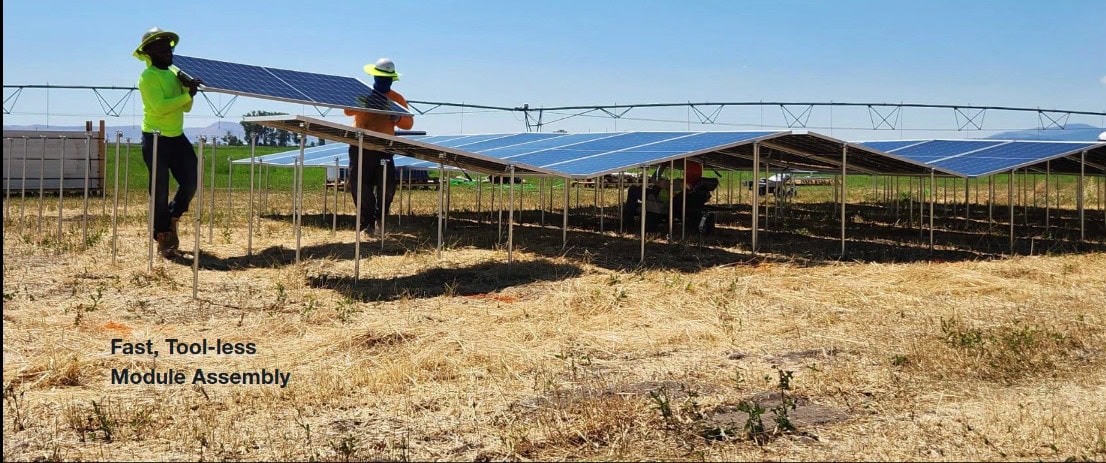
  • A 400 MW photovoltaic (PV) cell solar farm comprised of fixed-tilt PV panels mounted on lightweight steel rods and plates at about 1.2 m clearance from the ground and with consistent mixed pasture and native groundcover underneath. The system is self-stabilising and does not require concrete foundations or permanent footings, meaning the project avoids concrete use and minimises ground disturbance. It also means panel infrastructure is easily removable too.
  • A 2,000 MWh centralised Battery Energy Storage System (BESS) in shipping container sized units.
  • The fixed-tilt PV system has no moving tracking mechanisms. Monitoring is conducted remotely via SCADA systems. There is no requirement for permanent on-site staff during standard operations.
  • The site will need no night-time artificial lighting, will emit no noise or vibrations except for a very low-level hum from the BESS, and will need only monthly routine maintenance visits, cleaning and vehicular access.
  • The project is intended to operate initially for more than 30 years, with likely re-energisation to a total of 50 years of operations, and its total impact area is just 265 ha within a 672-ha property. The remaining 407 ha are comprised of retained high-value regrowth vegetation mapped by the Queensland Herbarium.

Examples of freshwater-dams retained with high-value regrowth being avoided by the project

Aerial of project areas to the west showing retained high-value regrowth being avoided.

4 Elements Consulting: Guiding the EPBC Act Approval Process

The Queensland-based environmental consultancy, 4 Elements, was paramount in guiding the design and development of the project. It was important to note that the area sits within the South East Queensland conservation strategy area for koala (Phascolarctos cinereus); one of the country’s most iconic endangered species. Four Elements worked with the team at ASE to partition the property into areas that would become part of the project’s footprint (265 ha) and areas that would remain important habitat and dispersal corridors for koala (407 ha). These areas included high-value regrowth dominated by pink bloodwood (Corymbia intermedia), silver-leaved ironbark (Eucalyptus melanophloia), forest red gum (E. tereticornis) and gum-topped box (E. moluccana) – all important habitat and food trees for koala. To assist in maintaining connectivity for koala to move at the project site, all mapped waterways are being buffered by 20 m and restored through the maintenance and removal of lantana (Lantana camara) and other ecosystem-changing weeds to allow for native recruitment over time. Moreover, as the solar panels sit 1.2 m above-ground and form a continuous “canopy” they may improve koala mobility throughout the otherwise highly exposed open pasturelands too.

Additional to koala, the project also sought to address potential impacts to grey-headed flying-foxes (Pteropus poliocephalus), a vulnerable-listed species that is declining across much of its eastern Australian range. The large fruit-bat requires mature nectar trees to forage for nutrients and to roost in. The project has retained all of the high-value regrowth throughout the project, all waterways with their 20 m buffers and will enact a Vegetation Management Plan (VMP) that will plant additional nectar-providing plants such as forest red gum (E. tereticornis) and mixed native grevillea and banksia species. The project has done its utmost to allow for the continued, and even improved use of the property, by some of the most imperilled species in the area.

Four Elements was engaged for EPBC Act services and delivered their support of the project in the form of an overarching Environmental Impact Assessment (EIA); a service the company is renowned for across Queensland.

From day one, the design philosophy for Tumuruu was that good engineering and good environmental outcomes aren't a trade-off — they're the same problem. The 4 Elements team helped us hold that line. Together we shaped a layout that worked with the site's topography, retained the high-value regrowth that matters most for koala and grey-headed flying-fox, and still delivered a project that will generate at scale. That's a much harder design exercise than the alternative, but it's the only one worth doing.

Chris ElderCEO & Co-Founder | Australian Solar Enterprises

Example of the open, low-quality paddock used for the solar infrastructure

Why is EPBC Act referral important?

For any future renewable energy project in Queensland or the Northern Territory, it is key to embark on environmental considerations early in the process of planning and building the project’s investment portfolio and scope of works. This is because the environment is a complex and dynamic system that is legislated not just to protect its structural and compositional components, but also its function over time. This means that one set of plans and process may not apply across all project sites, and so tailored, spatial and temporal plans must be developed specifically for each project in consideration of the key values and constraints of the property. For Tumuruu BESS and Solar Farm, this included measuring, mapping and setting frameworks for avoidance of impacts to waterways, high-value regrowth vegetation, threatened species and important koala dispersal habitat.

Koala dispersal habitat is considered by the Federal Government’s conservation advice for the species as “any and all habitats that facilitate movement of koala between larger, more suitable habitat patches used for breeding, shelter and forage”. By definition, this means that most farmland and non-urbanised or sealed land-uses within the range of koala is technically dispersal habitat. As such, the team had to work on this species for a longer period of time to more properly understand how the species may use dispersal habitat (open paddocks) at the project site, assess this against the Federal Government Significant Impact guidelines, and develop strategies to avoid an impact that was unacceptable by the Minister and their delegate.

These iterative processes, on-site fieldwork, desktop research and submissions, all take time and thought, and so our main advice for any other proponents wishing to embark on the development of a renewable energy project, is get in early! Bear in mind also, the EPBC Act was reformed in December 2025, and changes are slowly trickling into effect which may require further thought and consideration over the old system of works.

By implementing an early approach to environmental constraints assessment and submission to the Federal Government, businesses and land managers can identify improvement opportunities and make more informed, impactful decisions on their projects. Four Elements is happy to help support anyone on this journey, at any time.

Talk to us about your project

Learn More About the Tumuruu BESS and Solar Farm Project

  Go to the Tumuruu Project website

  Follow Australian Solar Enterprises on LinkedIn

World Wildlife Day: Eight Native Australian Medicinal & Aromatic Plants Worth Knowing

By Recent News

Celebrated each year on 3 March, United Nations World Wildlife Day recognises the unique roles and contributions of wild animals and plants to people and the planet. The 2026 theme, Medicinal and Aromatic Plants: Conserving Health, Heritage and Livelihoods, highlights how biodiversity underpins not only healthy ecosystems, but also human wellbeing, cultural knowledge and economic opportunity.

We respectfully acknowledge that Aboriginal and Torres Strait Islander peoples have deep connections to country and totemic relationships with many plants and animals. Historically, biological materials and traditional knowledge were often taken without consent, causing spiritual and cultural harm. Today, laws such as the Commonwealth Environment Protection and Biodiversity Conservation Act 1999 and Queensland’s Biodiscovery Act 2004 guide responsible biodiscovery and help ensure benefits are shared with Indigenous communities. The information shared here is publicly available and intended to celebrate and respect these traditions, not to exploit.

Across Australia, native plants have long been valued for medicine, fragrance and wellbeing, and some are now contributing to modern scientific research. Below are eight native medicinal and aromatic plants that showcase why conserving our unique flora benefits both nature and people.

  1. Blushwood (Fontainea picrosperma)

Endemic to the rainforests of Far North Queensland, Blushwood has gained international attention due to research into its fruit-derived compound, EBC-46 (tigilanol tiglate). Clinical trials have explored its potential in treating head and neck cancers, offering hope for new therapeutic approaches. This species highlights how protecting rainforest ecosystems can directly support medical innovation.


  1. Silver spur-flower (Coleus argentatus)

A hardy and attractive coastal species, silver spur-flower is related to lemon balm and produces aromatic foliage that releases a fresh, uplifting scent when crushed. It is well suited to subtropical gardens and can be used to make fragrant herbal teas. As a native alternative to exotic ornamentals, it offers both ecological and sensory benefits.

Photo: Coleus argentatus – “Plectranthus argentatus photographed at the Royal Botanic Gardens Melbourne (Australia) in December” by Raffi Kojian, licensed under CC BY SA 3.0 via Wikimedia Commons

  1. Banana-bush (Tabernaemontana pandacaqui)

With glossy foliage and intensely fragrant white flowers, banana-bush is an excellent native alternative to exotic jasmine species. Naturally occurring along Queensland’s coast, it provides habitat value while delivering a strong, sweet perfume that rivals many introduced garden plants.


  1. Tea tree (Melaleuca alternifolia)

Best known for its essential oil, tea tree has broad antimicrobial properties and has been used traditionally by First Nations peoples for treating skin infections and wounds. Today, tea tree oil is widely used in topical antiseptic products and natural skincare.

Photo: Melaleuca alternifoliaFlowers and foliage of Melaleuca alternifolia” by Geoff Derrin, licensed under CC BY SA 4.0 via Wikimedia Commons

  1. Soap tree (Alphitonia excelsa)

Alphitonia excelsa, usually known as red ash or soap tree, is a significant Australian Aboriginal medicinal plant, with bark, roots, and leaves used to treat skin infections, wounds, sore eyes, and muscle aches. It acts as an antiseptic, anti-inflammatory, and contains bioactive compounds like betulinic acid. The leaves produce a soapy lather, while infusions are used as a gargle for toothaches and crushed leaves treat headaches. Now, studies are working to identify the plants’ antibacterial compounds so it can hopefully be used in modern medicine.

Photo: Alphitonia excelsa“Leaves and flower buds” by Melburnian, licensed under CC BY 3.0 via Wikimedia Commons


  1. Lemon myrtle (Backhousia citriodora)

One of Australia’s most aromatic native plants, lemon myrtle contains high concentrations of citral, giving it an intense lemon fragrance. It is used in herbal teas, essential oils and culinary applications, and is increasingly cultivated as a native bushfood crop.

Photo: Backhousia citriodora “Flowers” by Allthingsnative, licensed under CC BY SA 4.0 via Wikimedia Commons

  1. Native thyme (Prostanthera incisa)

A member of the mint family, Lamiaceae, native thyme produces strongly aromatic foliage and purple flowers. Traditionally used for respiratory ailments, it remains popular as a garden shrub and for herbal infusions.

Photo: Prostanthera incisa – “Prostanthera incisa at Doctor George Mountain near Bega, New South Wales” by Betty and Don Wood, licensed under CC BY 3.0 via Wikimedia Commons


  1. Sandalwood (Santalum spicatum)

Valued for its fragrant heartwood and essential oil, Australian sandalwood has been used in perfumery, aromatherapy and traditional medicine. Sustainable management of this slow-growing species is critical to maintaining wild populations.

From rainforest understorey shrubs to coastal garden favourites, these plants demonstrate the intersection between biodiversity, health and sustainable land management. Protecting native vegetation is not only about conserving species – it is about safeguarding future discoveries, supporting cultural knowledge and strengthening resilient landscapes across Australia.

Ready to strengthen the environmental resilience of your project? Contact us to ensure your work supports the conservation of Australia’s remarkable native species.

Get in touch

Recent upgrades to the 4 Elements website: improving how you work with us

By Recent News

Environmental projects are rarely simple. They operate within tight timeframes, complex regulatory frameworks and evolving scientific advancements. Nature itself is also complex and dynamic, and we are constantly learning about how to work with it. Whether you’re scoping a new development, responding to approval conditions or planning long-term environmental management, access to clear, reliable information matters.

That’s why we’ve been investing time and effort into upgrading the 4 Elements Consulting website. These updates are designed to make it easier for clients, partners and regulators to find the information they need, understand how our services fit together, and engage with us more efficiently.

Our website is an extension of how we work. It’s practical, evidence-based, and forward-thinking. Rather than a one-off refresh, these changes reflect our ongoing commitment to continuous improvement, both in how we deliver environmental services and how we communicate them.

A new homepage: clearer, more accurate messaging about what we do

The homepage is often the first point of contact with our business, so we’ve focused on making it clearer, more intuitive and more reflective of the work we do.

The updated homepage is built around four core pillars of environmental expertise: ecology assessments, project management, environmental management and environmental approvals. These pillars align directly with our capability statement and provide a straightforward snapshot of how we support projects from early planning through to delivery and compliance.

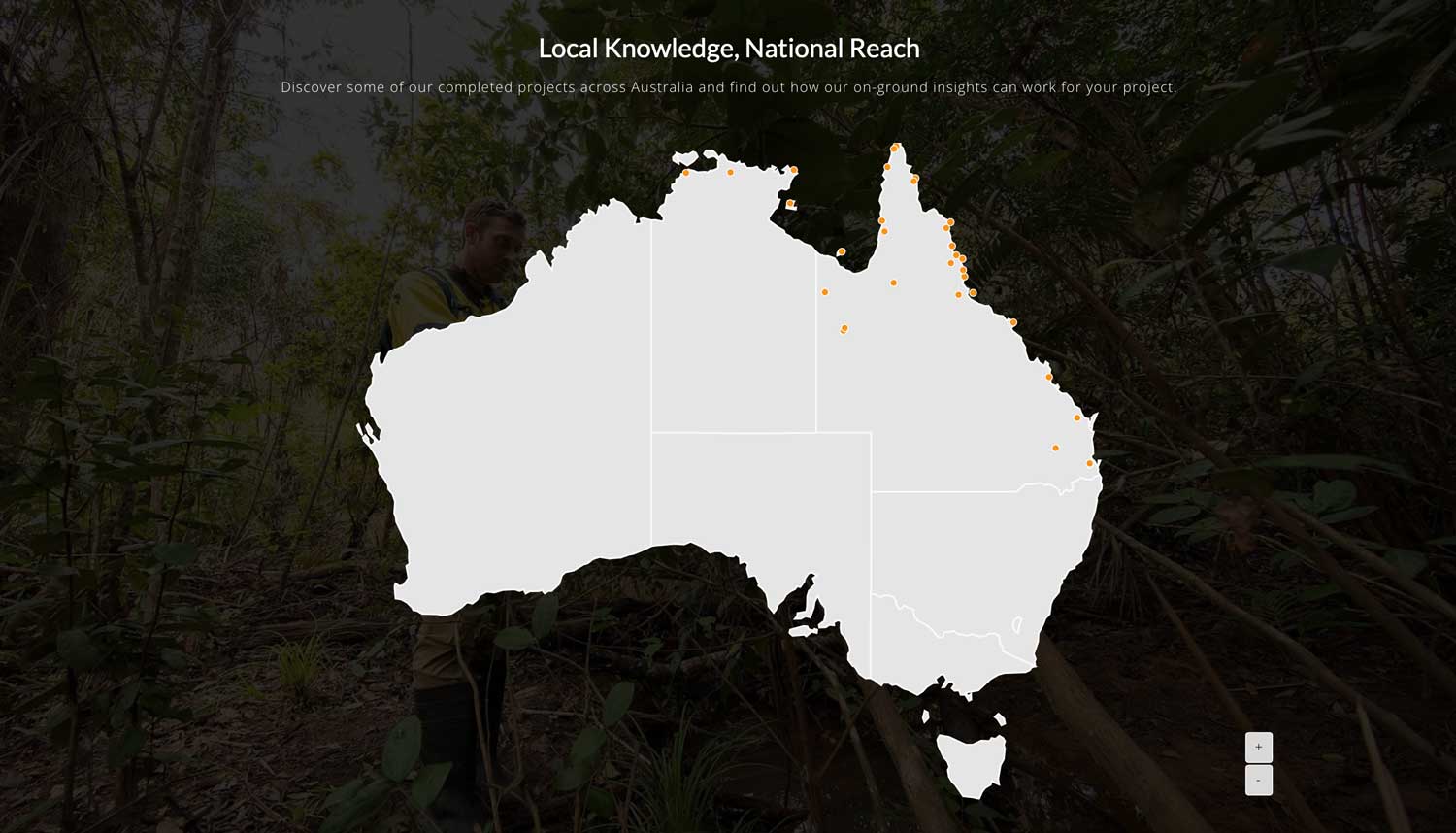
Behind the scenes, we’ve improved page load speeds and overall website performance, making the site more efficient and user-friendly. We’ve also expanded how we showcase our experience, with an interactive project map highlighting the breadth of work we’ve delivered across Queensland and the Northern Territory.

Together, these changes mean users can better understand our capabilities, navigate to the services they need, and see the depth of experience behind our advice.


A more user-friendly services page, built around how clients search

Environmental services are often technical and overlapping, and it’s not always obvious which service a project needs to move forward. One of our key priorities was making this process as straightforward as possible.

The redesigned services page is built around how clients search for information. Users can now select their industry from: resource extraction, development, individual landholders, renewables, agriculture, conservation or research, and view a tailored suite of services relevant to that sector.

At the heart of these updates is a completely redesigned services wireframe, created to make navigating our capabilities clearer and faster. The new layout is easy to scan and helps users quickly understand what each service involves and where it fits within a project lifecycle. This design allows you to find relevant information faster.

The wireframe is supported by clearer service pathways and dedicated landing pages, giving each service the explanation it needs. Improved internal linking within the service pages allow users to move seamlessly from high-level information to more detailed guidance as projects become clearer. This makes it easier to understand what services your project needs and determine what support you require next.

The layout of the new services wireframe reflects how environmental projects typically unfold, from early assessment and approvals through to management, monitoring and specialist support. For clients, this means less time searching and second-guessing, and more confidence that you’re engaging the right expertise at the right stage.

The result of these modifications is a services page that doesn’t just list what we do but actively supports better decision-making and smoother project planning.


New landing pages: highlighting our broader commitments

Alongside improvements to our core services content, we’ve introduced new landing pages that highlight areas of work and values that extend beyond our services.

Our new Sustainability Strategy page provides a dedicated space to outline how we support strategic, science-driven sustainability planning. The page reflects our approach to aligning environmental outcomes with regulatory requirements and business objectives, supporting long-term decision-making and measurable results. It also responds to growing expectations around ESG and sustainability, helping clients navigate these requirements with confidence.

We’ve also launched a dedicated page for our Indigenous Australian partnerships, showcasing our collaborative, cross-cultural approach to environmental consulting. The page highlights our shared values, complementary expertise and the importance of First Nations engagement. This partnership reflects our broader commitment to meaningful collaboration and better on-ground outcomes.

These pages help communicate not just what we do, but how and why we do it, strengthening transparency and trust, while making it easier for users to explore these focus areas in more detail.


Continuous improvement, now and into the future

These website upgrades are part of a broader philosophy at 4 Elements Consulting. Just as environmental management relies on adaptive approaches and continual refinement, so too do the systems and tools that support our work.

We’re committed to staying current with science, responding to changing regulations and client needs, and improving how information is shared and understood. The website is a living platform that will continue to evolve alongside our services, projects and partnerships.

Looking ahead, we’ll be adding new content, expanding service information and developing better resources for clients and partners. Each update is guided by the same principle: making it easier to engage with us and supporting better environmental outcomes.


Designed to support better environmental outcomes

Ultimately, these updates are about improving how people work with us, and making it simpler to plan projects, understand requirements and access the right expertise at the right time.

We invite you to explore our updated website and see what’s new. If you’d like to discuss how we can support your next project, please get in touch with our team.

Contact Us

Navigating Mandatory ESG Reporting: What Every Business Needs to Know

By Recent News

What ESG stands for

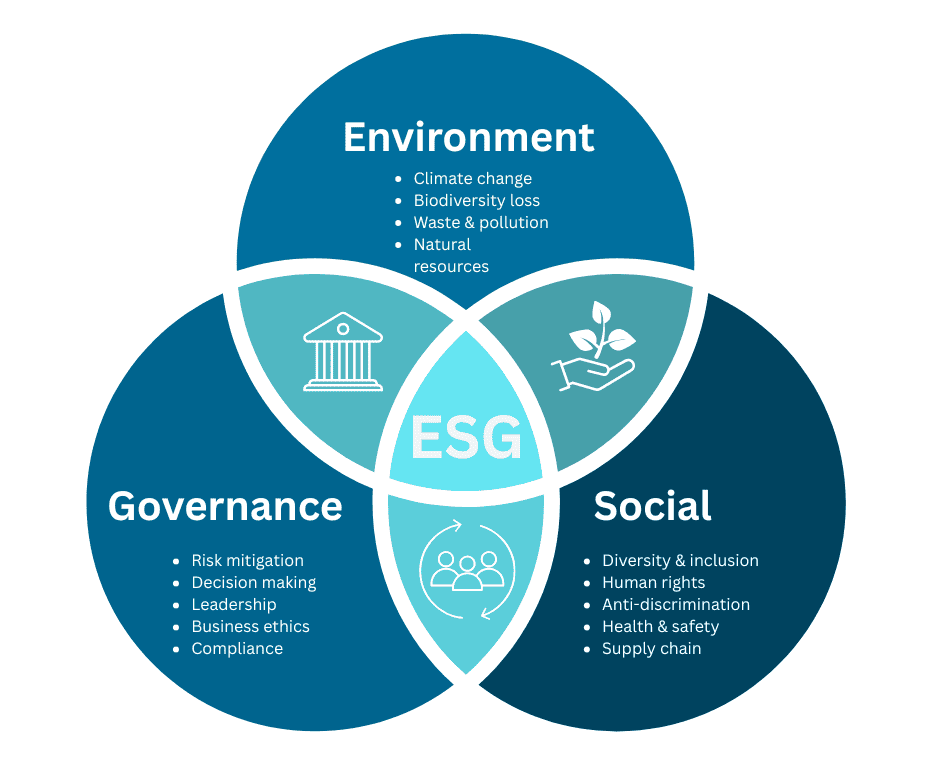
ESG is a framework that quantifies and measures the degree to which an organisation operates in a sustainable and responsible manner.

The three assessment criteria:

  • Environmental – reducing environmental impact of business operations – minimising greenhouse gas emissions (energy efficiency), conserving natural resources (waste disposal strategy and reduced pollution), adopting eco-friendly practices
  • Social – supporting employee wellbeing, promoting inclusion and diversity, fair labour practices (optimal working conditions), positive stakeholder relations (data security), investing in local communities (community donations)
  • Governance – transparent, ethical and responsible management, reducing fraud risk, and ensuring legal compliance

How to navigate the new ESG mandatory reporting?

With the new regulations falling into place, requiring businesses to report their climate-related financial activities, many are worried about what this will mean for the future of their company. Environmental, Social and Governance frameworks (ESG) are not a new concept; many businesses have been operating with the concepts it cultivates for years. But it can be tricky to grasp. That’s why we’re here – to break down what ESG means, why it’s important and how you can implement it into your daily practices.

Why is an ESG Strategy important?

Australia introduced mandatory ESG reporting for large companies from 1 January 2025. This reporting is a result of the International Sustainability Standards Board (ISSB) being created at the UN’s Climate Change Conference (COP26) in 2021.

The ISSB incorporates investor-focused standards and reporting guidelines, aligned with both UN and Intergovernmental Panel on Climate Change recommendations. This means that the implementation is the first in a suite of phases of key science and policy that will affect how businesses operate in a world moving towards carbon neutrality.

For now, it only requires companies registered as a corporation, earning over $50 million in consolidated revenue, owning over $25 million in gross assets and with at least 100 employees. However, within the next 5-10 years, medium and small businesses will also be onboarded with mandatory reporting requirements.

It is important to get ahead of the game, even if you’re a medium or small enterprise, and start thinking about an ESG strategy. The key is to think about how you might align your environmental, social and governance frameworks with what will be required of your business in the future, and to look at how this affects your financials.

Why you should care about ESG strategies?

The ESG frameworks are the result of decades of scientific, social and political movement based on humanity’s increasing understanding of our own impacts on nature. Essentially, the ‘business as usual’ model is no longer working, with many of the most significant impacts of business requiring rethinking to reduce, or even neutralise, their effects on the environment.

Larger businesses with multi-national chains of commerce, employing high numbers of people and requiring large volumes of energy, are among the most significant when it comes to change.

Things like procurement strategies and how people are treated throughout business activities, travel and transport strategies, and management of waste are all integral to an ESG strategy and are key avenues that help alleviate our impacts on the natural world.

How are 4 Elements implementing sustainability planning and ESG strategies into our business practices?

Here at 4 Elements, we’re practising what we preach, and leading by example. As a business whose values are directly linked to the state of the environment, we have recently implemented a Sustainability Strategy that, when coupled with our Integrated Management Strategy, forms our current ESG framework.

We have incorporated a review of our current impacts on nature, people and planet, carried out a risk assessment of what avenues of change have the best effort-to-outcome ratios, and developed an action plan that includes signatory to the UN Global Compact, GreenKPI and Sumdays sustainability software, and office-based delegations to get things done.

Our Strategy is broadly grouped into emissions, waste and First Nations engagement. For emissions, we’re working to track, minimise and offset. For waste, we’re monitoring our outputs and focusing on avoidance and minimisation tactics. And, for Indigenous empowerment, we’re promoting financial support, language and social engagement right across our business activities.

Emissions

  • Improving energy efficiency across offices and projects
  • Striving towards Net Zero
  • Measuring and reporting emissions
  • Offsetting unavoidable emissions through certified programs

Waste & Pollution

  • Reducing waste across operations
  • Integrating improved recycling and circular economy practices
  • Safely managing and disposing of hazardous materials

First Nations Support

  • Undertake future internship, funding support and partnerships with Indigenous communities in the places we live and work
  • Incorporating Indigenous species and place names into our reporting
  • Providing cultural competence training for all staff

Your ESG partner: Practical guidance backed by real experience

At 4 Elements, one of the best ways we have learned to support other companies in their sustainability journeys is through our experience in completing our own. We are a signatory to the UN Global Compact and have an active Sustainability Strategy that guides the ways we do business. Some of our most important actions include emissions reduction and offsetting, waste and recycling policies and the incorporation of Indigenous knowledge and community empowerment.

Lead the Market With Actionable ESG Strategies

Organisations with strong sustainability credentials are more likely to outperform their competition in terms of profitability.

Allow us to handle the building of actionable guidelines to help ensure your company not only remains compliant but stays ahead of the game.

Call 1300 432 368 to speak with our team.

Or fill out the contact form & we will be in touch.

Start the Conversation

"*" indicates required fields

AVISTEP: Supporting Bird-Sensitive Renewable Energy Planning in Australia

By Recent News

Renewable energy is not truly ‘green’ unless efforts have been made to limit negative repercussions for biodiversity.” – BirdLife International

This principle was front and centre at the Australasian Ornithological Conference (AOC) in Boorloo/Perth in November, where BirdLife International officially launched AVISTEP in Australia. Our ecologist, Vilda, attended both the conference and the pre-launch AVISTEP workshop, which provided detailed insights into the tool and its potential applications for planners, developers, and consultants.

In this blog, we’ll cover what AVISTEP is, why it’s important, and how we can integrate it into our practices to support clients and nature-positive energy planning.

What is AVISTEP?

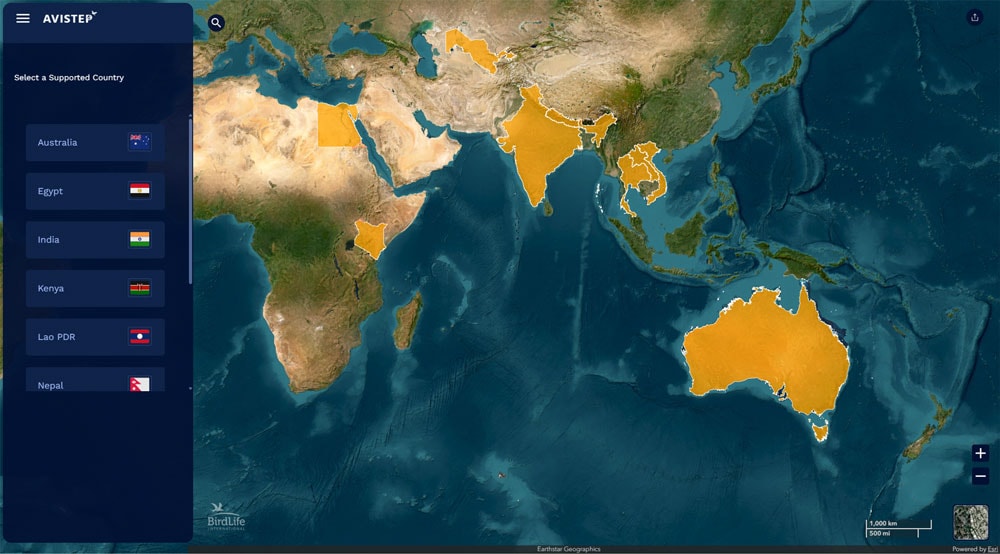
AVISTEP (Avian Sensitivity Tool for Energy Planning) is a web-based mapping platform that helps identify areas sensitive to birds in relation to renewable energy infrastructure such as onshore and offshore wind farms, solar PV arrays, and transmission lines. It provides planners and developers with spatial insights to guide site selection and minimise biodiversity impacts.
The tool integrates multiple data layers to calculate avian sensitivity scores for 5 × 5 km grid cells, including:

Species Distribution Data:

  • Global and national datasets such as IUCN Red List species ranges, Important Bird Areas (IBAs), and Key Biodiversity Areas (KBAs)
  • eBird occurrence records and other citizen science data for finer-scale insights

Species Attributes:

  • Conservation status (e.g., threatened species categories)
  • Vulnerability to specific infrastructure types (e.g., collision risk for wind turbines or power lines)
  • Habitat preferences and migratory behaviour

Environmental Layers:

  • Land cover and habitat types from satellite imagery
  • Elevation and topography for wind suitability and bird flight patterns
  • Coastal and marine zones for offshore wind sensitivity

Infrastructure Context:

  • Sensitivity scoring tailored to different technologies – wind (onshore/offshore), solar PV, and overhead power lines

The platform uses these inputs to generate interactive heatmaps showing relative sensitivity across regions. Users can zoom into specific areas, review species lists, and download reports to inform early-stage planning and environmental assessments.

Why is AVISTEP Important?

Climate change is no longer a distant challenge; it is a reality unfolding before us. One of the most urgent actions to address this crisis is the rapid transition from fossil fuels to renewable energy. Over the coming decades, millions of square kilometres worldwide will be dedicated to renewable energy development, along with a near doubling of global power line infrastructure.

While this transition is essential, it coincides with another critical emergency – biodiversity loss. These two crises are deeply interconnected and must be tackled together. Poorly sited renewable energy projects can lead to habitat destruction, disrupt migratory pathways, and increase collision risks for birds. Research shows that if developments were placed solely to maximise energy output, millions of hectares of natural habitat could be lost globally, threatening hundreds of species. Alarmingly, this habitat loss could release an estimated 415 million tonnes of stored carbon, undermining the very climate benefits renewable energy aims to deliver.

As Australia accelerates toward its renewable energy targets, avoiding biodiversity conflicts is crucial. AVISTEP provides a proactive solution to this, by:

  • Identifying high-risk areas early in the planning process
  • Reducing environmental impact while supporting clean energy goals
  • Building confidence with regulators and stakeholders through transparent, science-based assessments

How Can It Help Our Clients?

For developers, planners, and consultants, AVISTEP offers practical benefits:

  • Proactive planning – avoid costly redesigns by selecting low-sensitivity sites from the start
  • Regulatory compliance – support EPBC Act requirements and biodiversity offset strategies
  • Risk mitigation – minimise collision risks for species such as raptors and migratory birds
  • Stakeholder engagement – demonstrate commitment to sustainable development

Looking Ahead

The launch of AVISTEP in Australia marks a significant step toward nature-positive energy planning. At 4 Elements Consulting, we are excited to integrate AVISTEP into our workflows and help clients make informed, responsible decisions that protect biodiversity while advancing renewable energy.

If you’d like to learn more about AVISTEP or how we can assist with bird-sensitive planning for your projects, contact our team today.

Contact Us