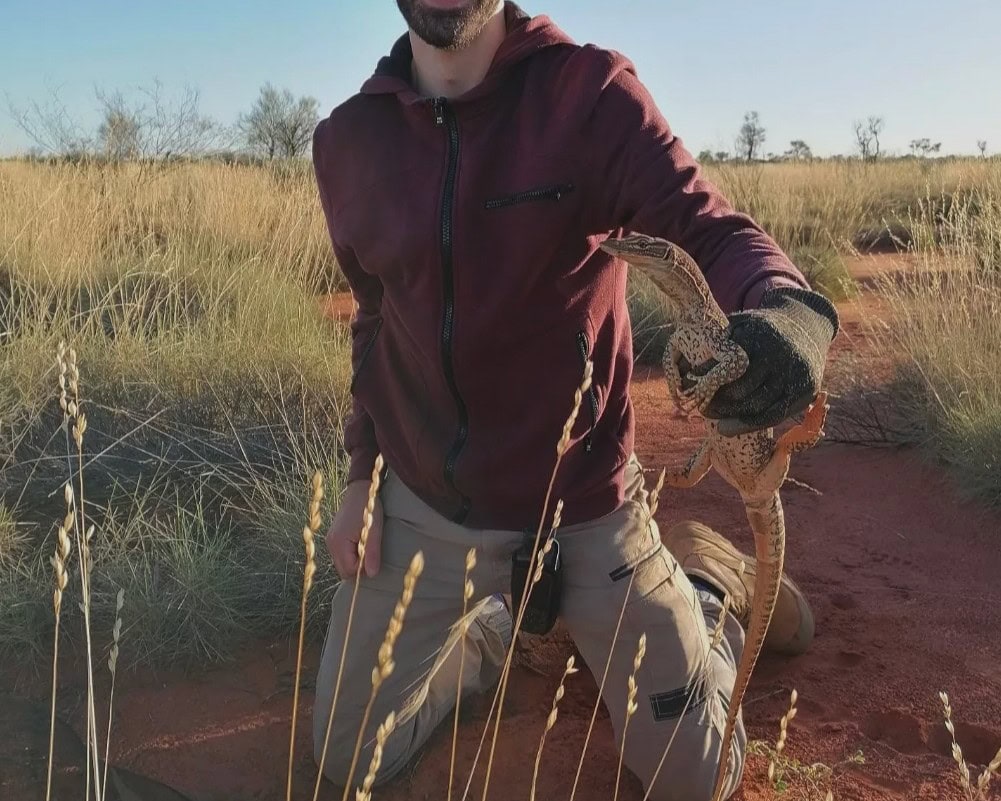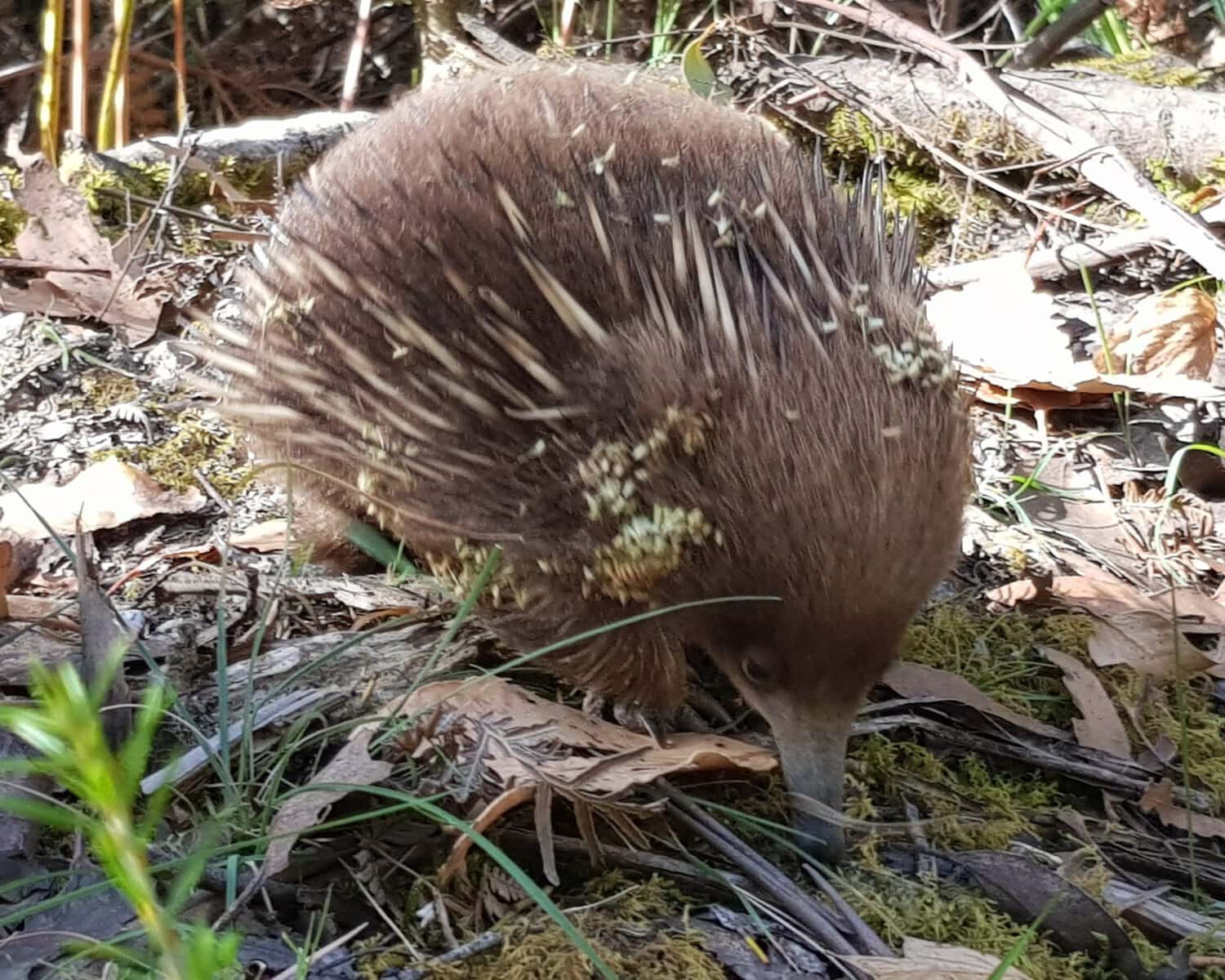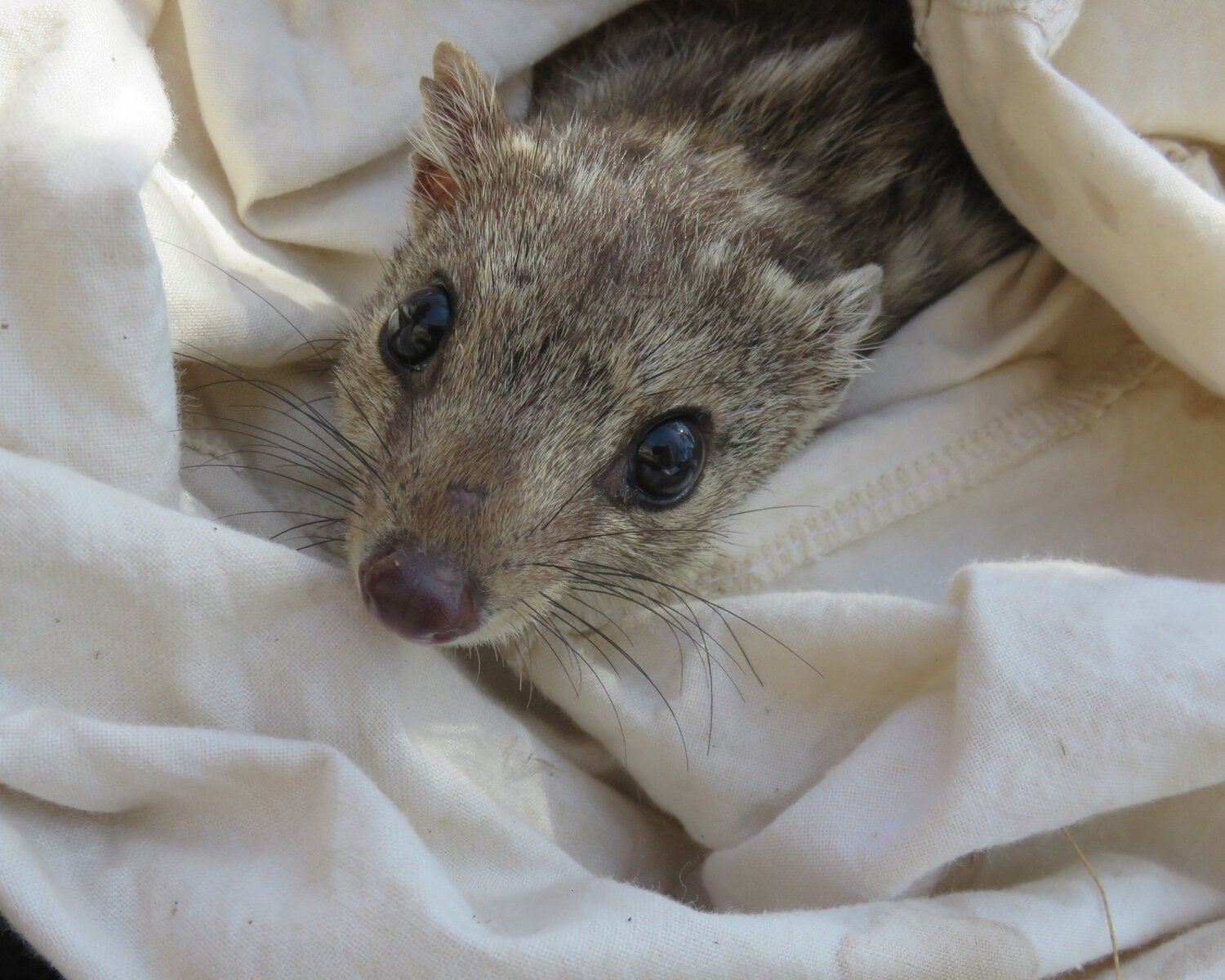
Across Australia, land clearing activities for infrastructure, mining, renewable energy, urban development and agriculture can have significant impacts on native wildlife if not managed correctly. From tree-dwelling mammals and nesting birds to reptiles sheltering beneath logs and aquatic fauna inhabiting waterways, many species are vulnerable during vegetation clearing and construction works.
This is where fauna spotter catchers play a critical role.
Fauna spotter catchers help protect native wildlife during clearing activities while ensuring projects remain compliant with environmental legislation and approval conditions. Their work not only supports biodiversity conservation but also helps minimise project delays, reduce risk and improve environmental outcomes on site.
What Is a Fauna Spotter Catcher?
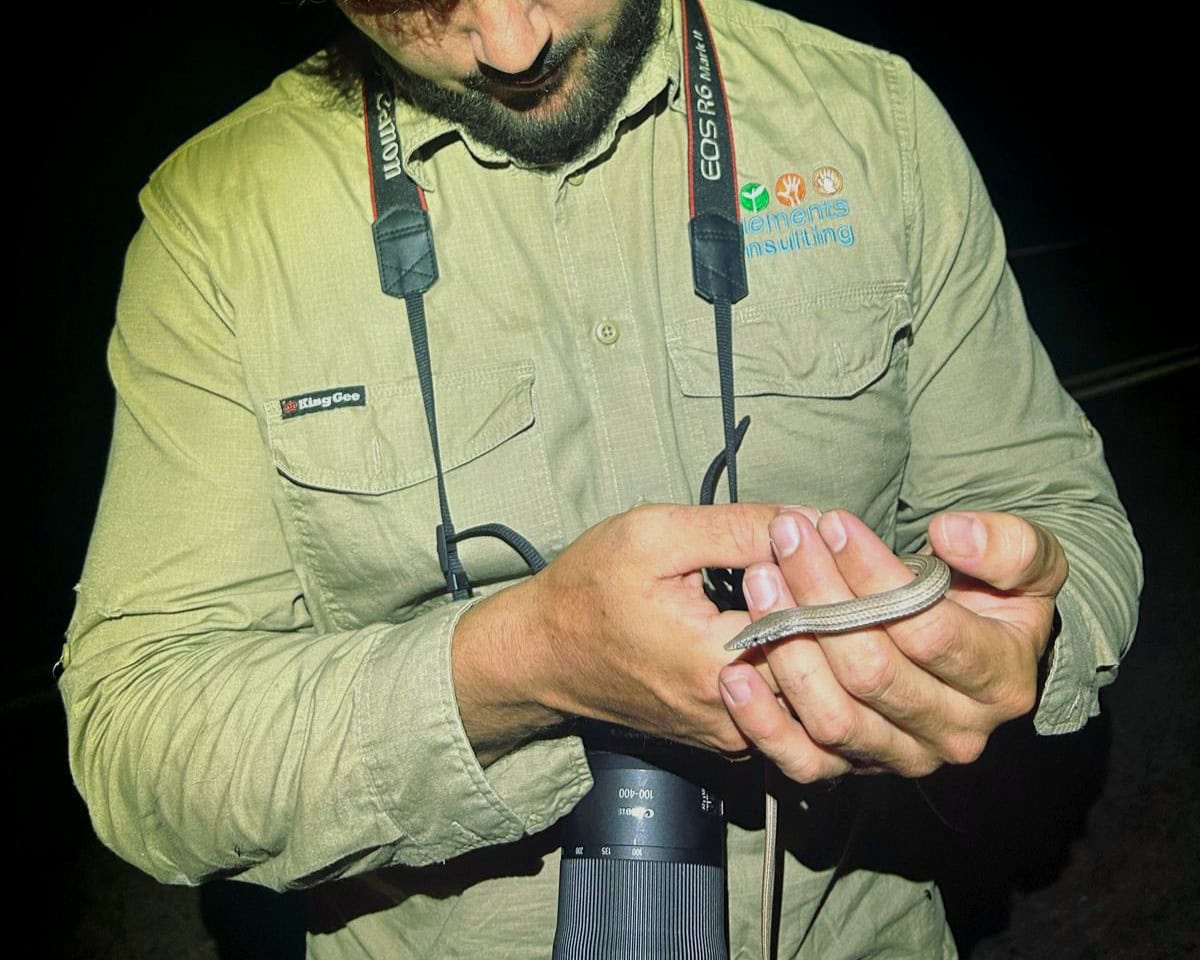
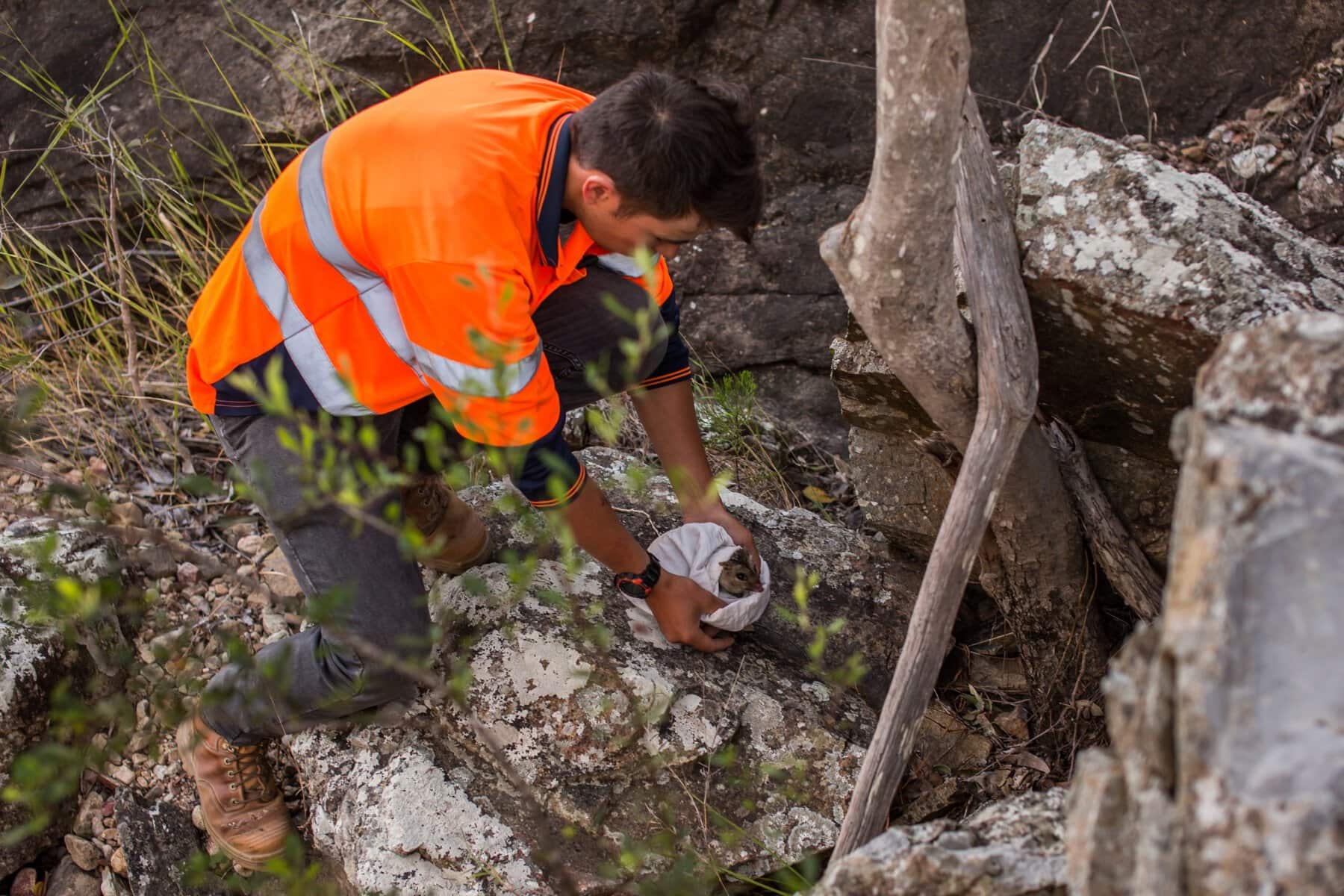
A fauna spotter catcher is a licensed environmental professional responsible for identifying, rescuing, handling and relocating wildlife that may be impacted by vegetation clearing or construction works.
Fauna spotter catchers work closely alongside machine operators, arborists, project managers and environmental teams to safely manage wildlife interactions before, during and after clearing activities.
Their role often includes:
- Conducting pre-clearance assessments
- Identifying habitat features such as tree hollows, nests and burrows
- Monitoring vegetation clearing activities
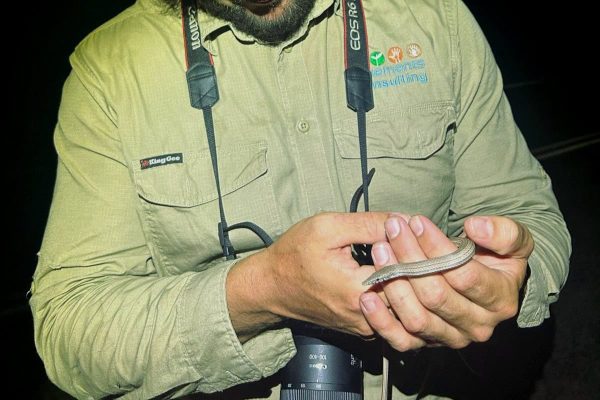
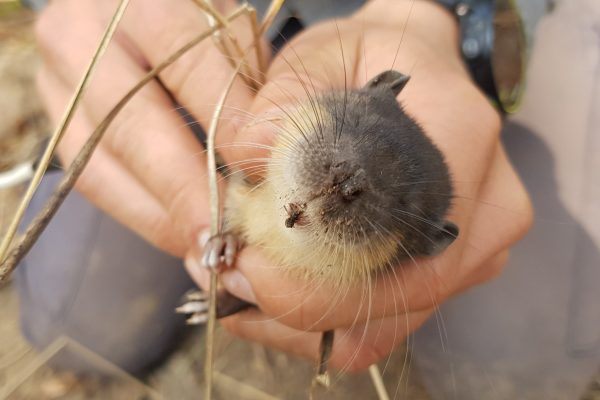
- Capturing and relocating displaced fauna
- Managing injured wildlife
- Recording fauna observations and relocation data
- Preparing compliance reports for government agencies
In many cases, fauna spotter catchers are also required under environmental approval conditions and state legislation.

Why Are Fauna Spotter Catchers Required?
In Queensland, fauna spotter catcher services are commonly required under the Nature Conservation Act 1992 and are often included as conditions of development approvals and environmental management plans.
The purpose of these requirements is to minimise harm to native wildlife during activities that disturb vegetation or habitat.
Without appropriate fauna management, clearing activities can result in:
- Injury or mortality of native fauna
- Destruction of active nests or breeding habitat
- Delays to project works
- Non-compliance with approval conditions
- Reputational and financial risks for project proponents
By engaging qualified fauna spotter catchers early in the planning process, projects can proactively manage environmental risks and maintain compliance throughout construction activities.
The Fauna Spotter Catcher Process
Pre-clearance Assessments
Before any vegetation clearing begins, a licensed fauna spotter catcher undertakes a detailed inspection of the site to identify habitat features and assess the likelihood of wildlife presence.
This may include locating:
- Tree hollows
- Active nests
- Roosting habitat
- Burrows
- Loose bark habitat
- Epiphytes
- Breeding areas
- Aquatic habitat features
Habitat features are often flagged and mapped so clearing crews are aware of sensitive areas before works commence.
A pre-clearance report may then be prepared outlining ecological risks, management recommendations and fauna protection measures required during clearing.
Monitoring During Clearing Works
During clearing activities, fauna spotter catchers continuously monitor operations to identify and safely manage displaced wildlife.
This includes:
- Observing clearing activities from a safe position
- Communicating directly with machinery operators
- Capturing and relocating fauna encountered during works
- Managing injured wildlife where required
- Ensuring environmental procedures are followed on site
This real-time monitoring is essential for reducing wildlife impacts and ensuring clearing activities can continue safely and efficiently.
Fauna Relocation and Reporting
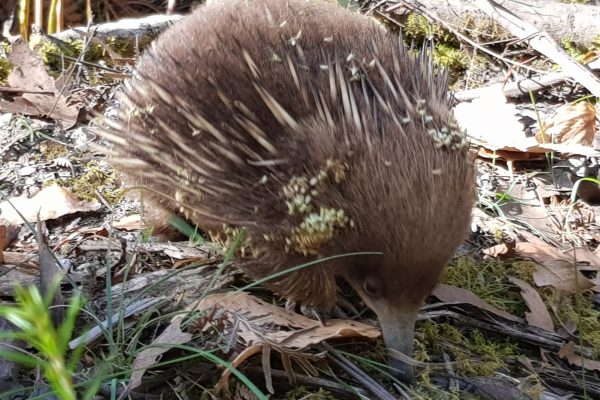
Captured fauna are relocated into suitable nearby habitat based on the ecology and habitat requirements of each species.
Following completion of works, fauna data and relocation records are compiled into post-clearance reports that may be submitted to relevant government agencies to satisfy approval conditions.
These reports typically include:
- Species records
- Relocation details
- GPS coordinates
- Habitat observations
- Incident reporting
- Management outcomes




Supporting a Wide Range of Industries
Fauna spotter catcher services are commonly required across multiple industries and project types, including:
- Renewable energy developments
- Infrastructure projects
- Mining and resource extraction
- Residential and industrial developments
- Road upgrades and transport corridors
- General vegetation clearing
- Quarry operations
- Aquatic dewatering activities
Many projects also require additional ecological services such as species management plans, environmental management plans, threatened species surveys and ongoing environmental monitoring.
The Importance of Experience in the Field
Effective fauna spotter catching requires more than simply handling wildlife. It requires strong ecological knowledge, field experience, understanding of environmental legislation and the ability to work safely within active construction environments.
Experienced fauna spotter catchers understand:
- Species-specific behaviour and habitat use
- Safe and humane wildlife handling techniques
- Construction site safety protocols
- Environmental approval requirements
- Remote and challenging field conditions
- Stakeholder and contractor coordination
Projects often operate under strict timeframes, so having an experienced environmental team on site can help ensure clearing activities remain efficient while maintaining high environmental standards.
Protecting Wildlife While Keeping Projects Moving
Environmental compliance and wildlife protection are essential components of modern development and infrastructure projects. Fauna spotter catchers play a vital role in balancing operational requirements with responsible environmental management.
At 4 Elements Consulting, our qualified fauna spotter catchers have extensive experience working across Queensland, the Northern Territory and remote project locations throughout Australia. Our team provides practical, science-led solutions that help clients minimise impacts to wildlife while supporting safe and efficient project delivery.
Whether your project involves infrastructure, mining, renewables or general vegetation clearing, engaging experienced fauna spotter catchers early can help streamline approvals, reduce risk and protect Australia’s unique native fauna.